Pistachio health benefits: what the science says
Pistachios are one of the most nutrient-dense nuts you can eat. Here is what they contain, what research has actually shown, and how much makes a sensible daily handful, without the exaggerated claims.
What is in a handful
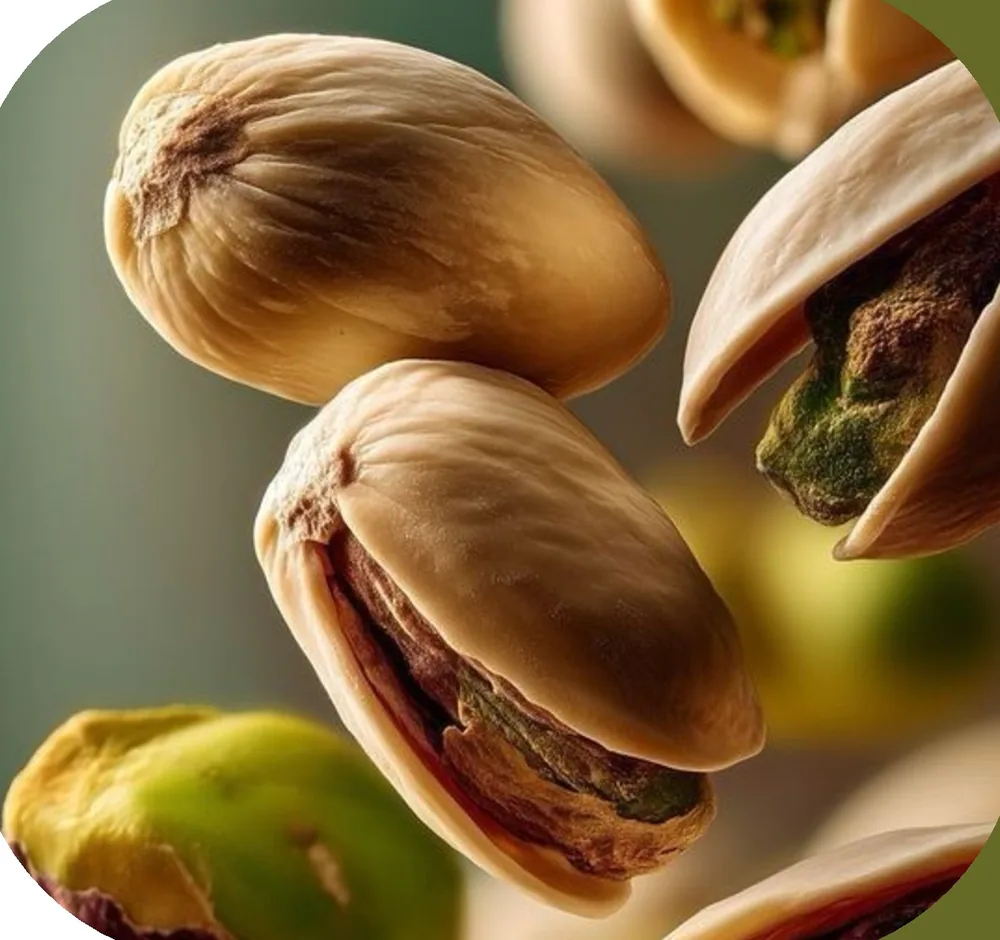
A typical serving is about 28 g, roughly 49 kernels, which is more pieces per serving than most other nuts. Per 100 g of kernels, pistachios contain around 20 g of protein and about 10 g of fibre, along with healthy fats, most of them unsaturated.
They are also rich in vitamin B6, thiamine (B1), copper, manganese, potassium and phosphorus, and they bring useful amounts of magnesium, vitamin K and folate.
A complete plant protein
Pistachios contain all the essential amino acids, which is unusual for a plant food. That makes them a smart choice for anyone who wants more protein from plants. Our pistachio butter, made from 100% pistachios with no added sugar, carries about 45 g of protein in every 200 g jar.
Heart-friendly fats and cholesterol
Most of the fat in pistachios is mono- and polyunsaturated, the kind recommended in place of saturated fat. In a controlled study, adults with raised LDL cholesterol who ate two servings of pistachios a day lowered their LDL ("bad") cholesterol by about 12% compared with a control diet. Studies are small, but the results point in the same direction.
Lutein for the eyes
The green and purple colours of the kernel come from natural pigments. Pistachios contain far more lutein and zeaxanthin than other nuts. These two antioxidants collect in the retina and are linked to eye health, although direct trials with pistachios are still limited.
What we do not claim
You may read that pistachios make you lose weight. A review of several controlled trials found no clear effect on body weight, waist size or BMI. Pistachios are nutritious, but they are also energy-dense (about 560 kcal per 100 g), so portions matter. A handful a day is a good habit; a bowl in front of the TV is a treat.
How to enjoy them
- A daily handful (about 28 g) as a snack between meals.
- Raw pistachios on salads, yoghurt or breakfast oats.
- Roasted and salted pistachios in moderation if you are watching salt.
- A spoon of 100% pistachio butter on toast or in a smoothie for extra protein.
- Keep them fresh in an airtight jar, away from heat and light, so the healthy oils do not go stale.
A note
This guide is general information, not medical advice. If you have a nut allergy or a medical condition, speak to your doctor about your diet.